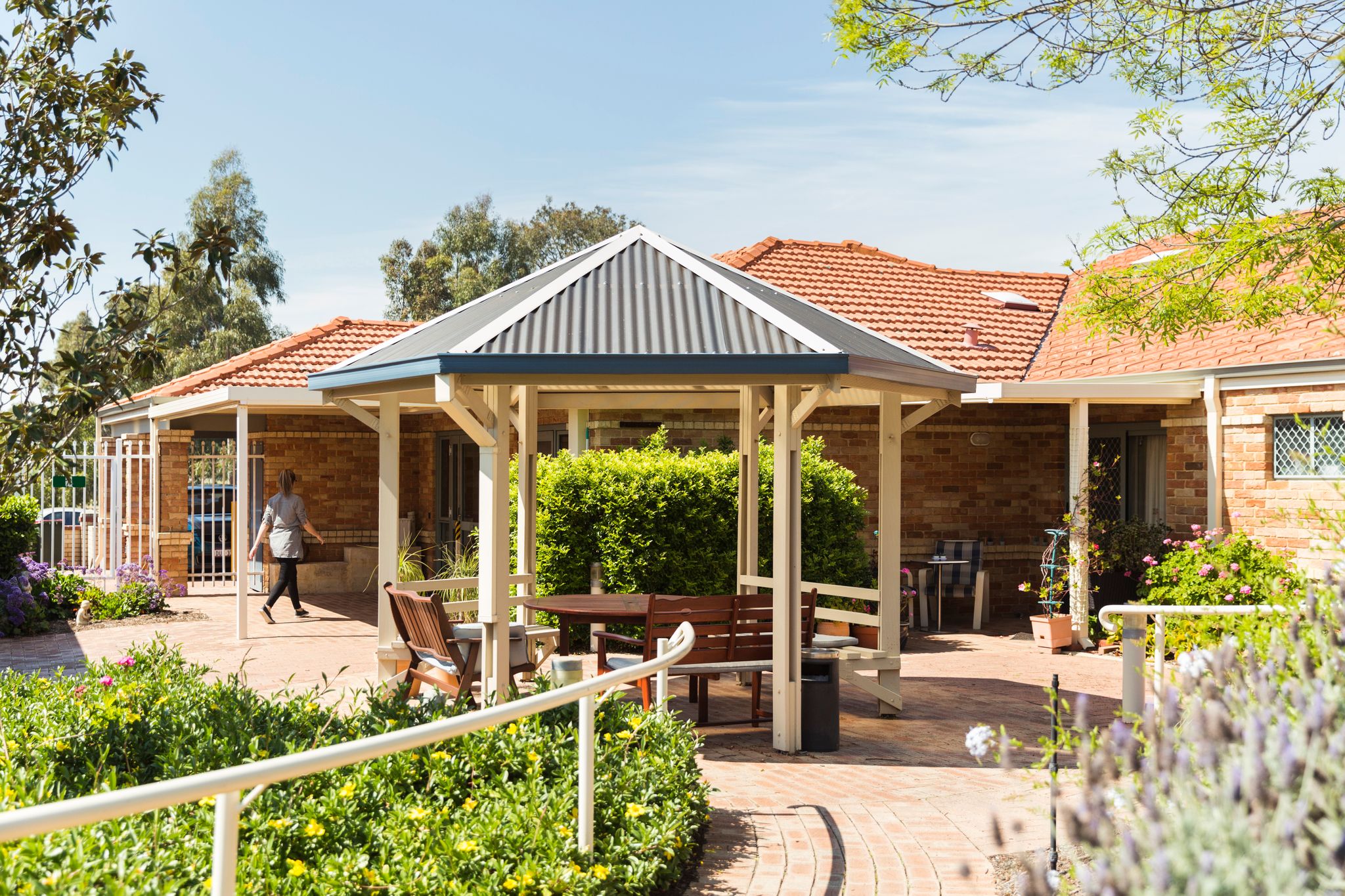
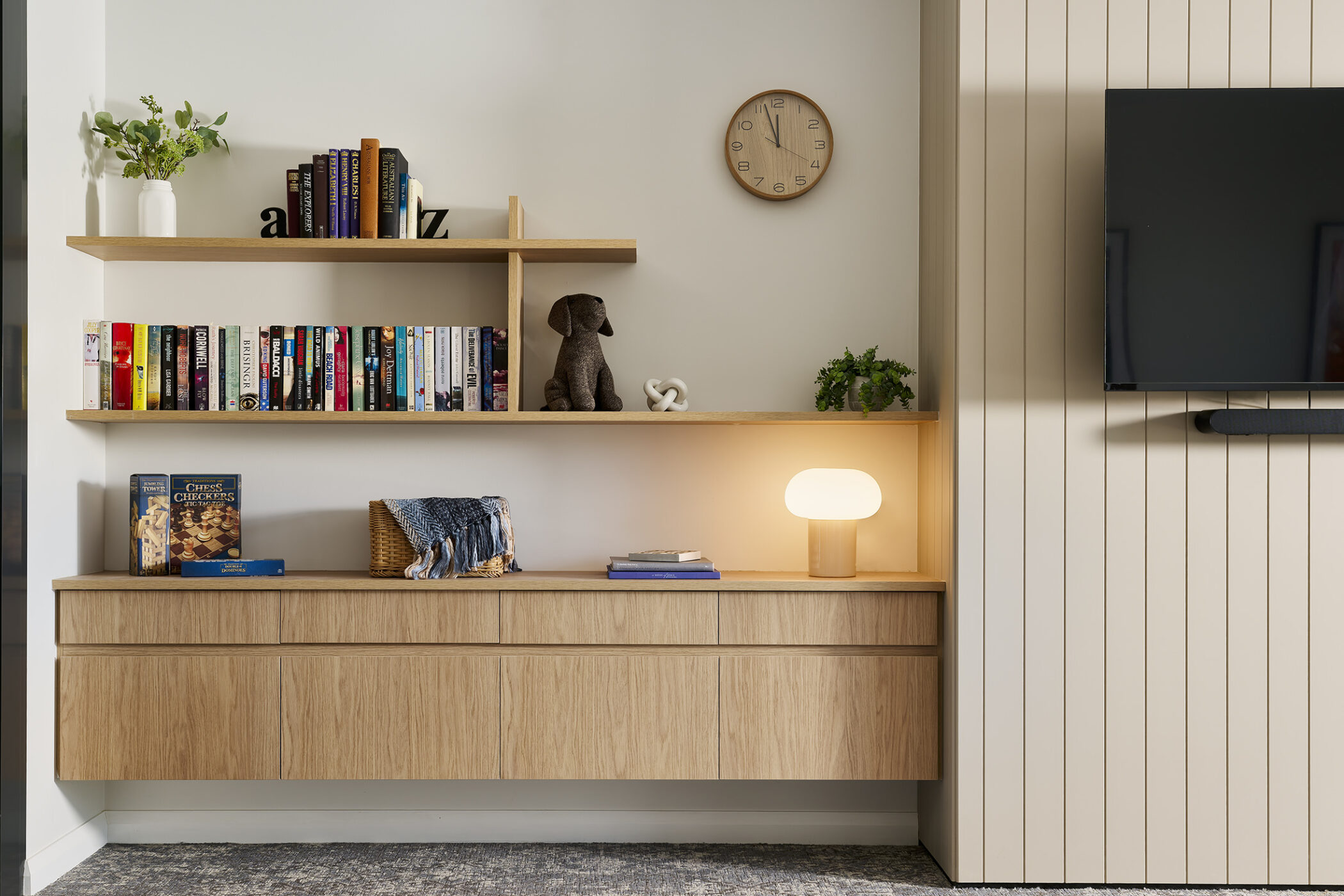
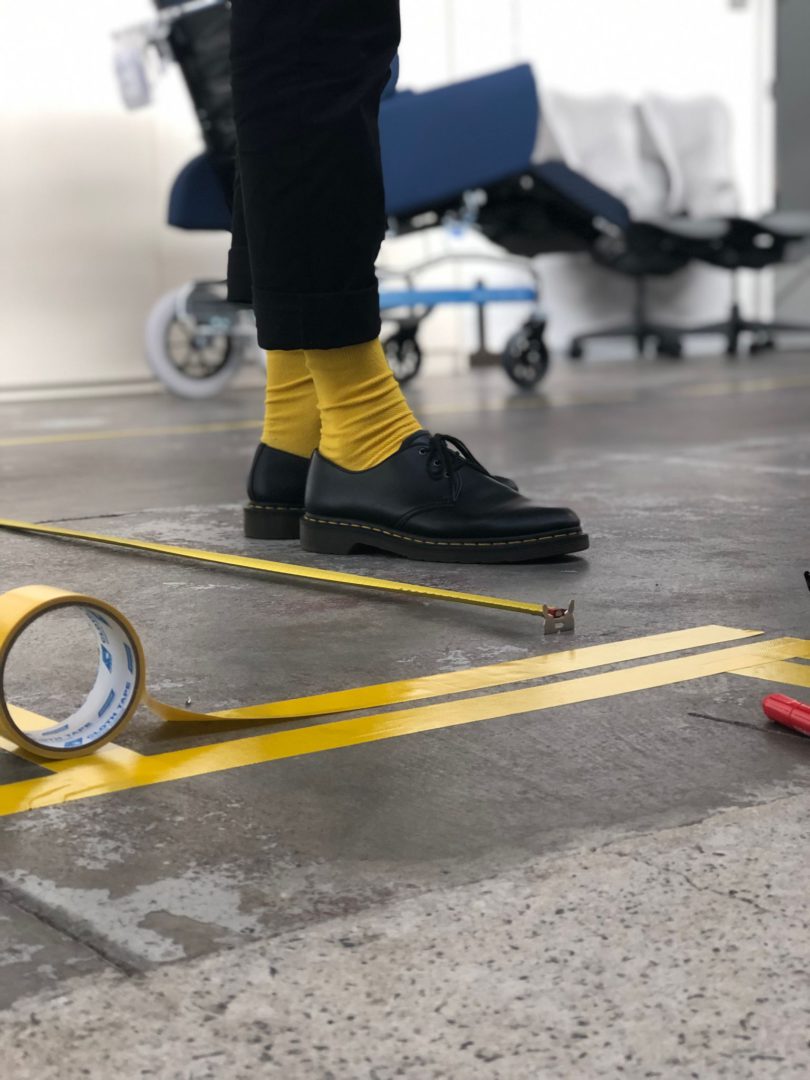
As members of ACSA, LASA and other professional bodies MKDC are active industry participants who continually build upon expertise specific to the Aged Care standards.
Read about how we work within the aged care sector to address specific needs and meet industry standards in the categories below.
MKDC have significant experience and expertise in conducting feasibility studies on existing facilities for the proposal of refurbishment or extension. We’ve worked with multiple providers to develop business cases for refurbishment works based on an understanding of capacity and bed numbers, staffing and Models of Care.
We’ve also guided providers through the ACAR application process as well as assisting with works and subsequent successful applications for Higher Accommodation Supplements. We broadly work across property portfolios to assist leadership teams in getting the most out of their facilities to provide the best level of care.
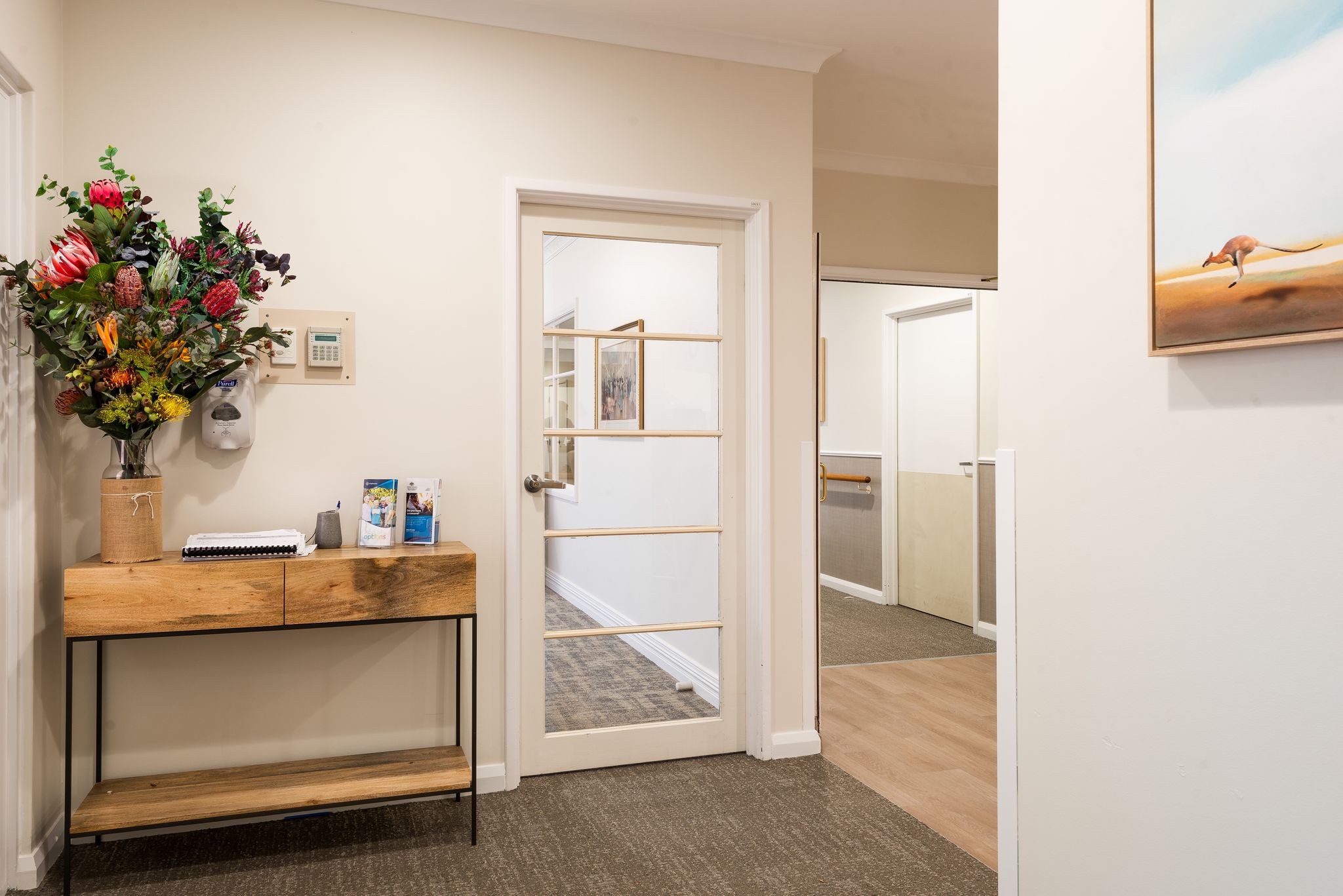
With frequent research and changes in best practice, designing for dementia is constantly evolving. Understanding the varied symptoms for the individual, the impact on families and behaviours that emerge from those affected enables us to approach dementia design with empathy and insights grounded in evidence.
We also place a focus on designing for dementia with normality and seamless integration. This is achieved by making sure navigational cues are intuitive and aesthetically designed, factoring in Liveable Housing standards and spatial requirements for mobility assistance.
This enables a smooth transition for those from our community to homes with support, comfort and safety.
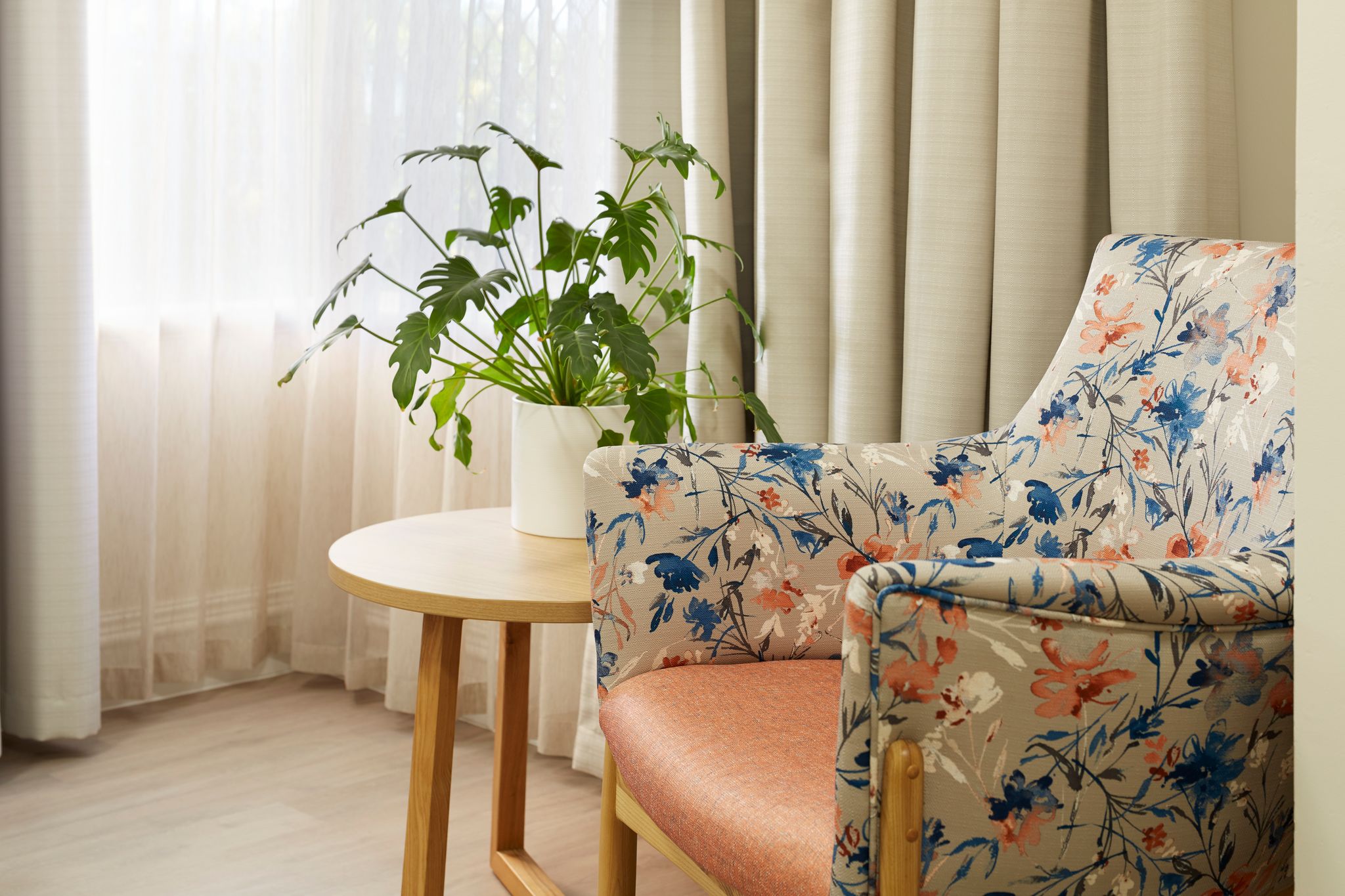
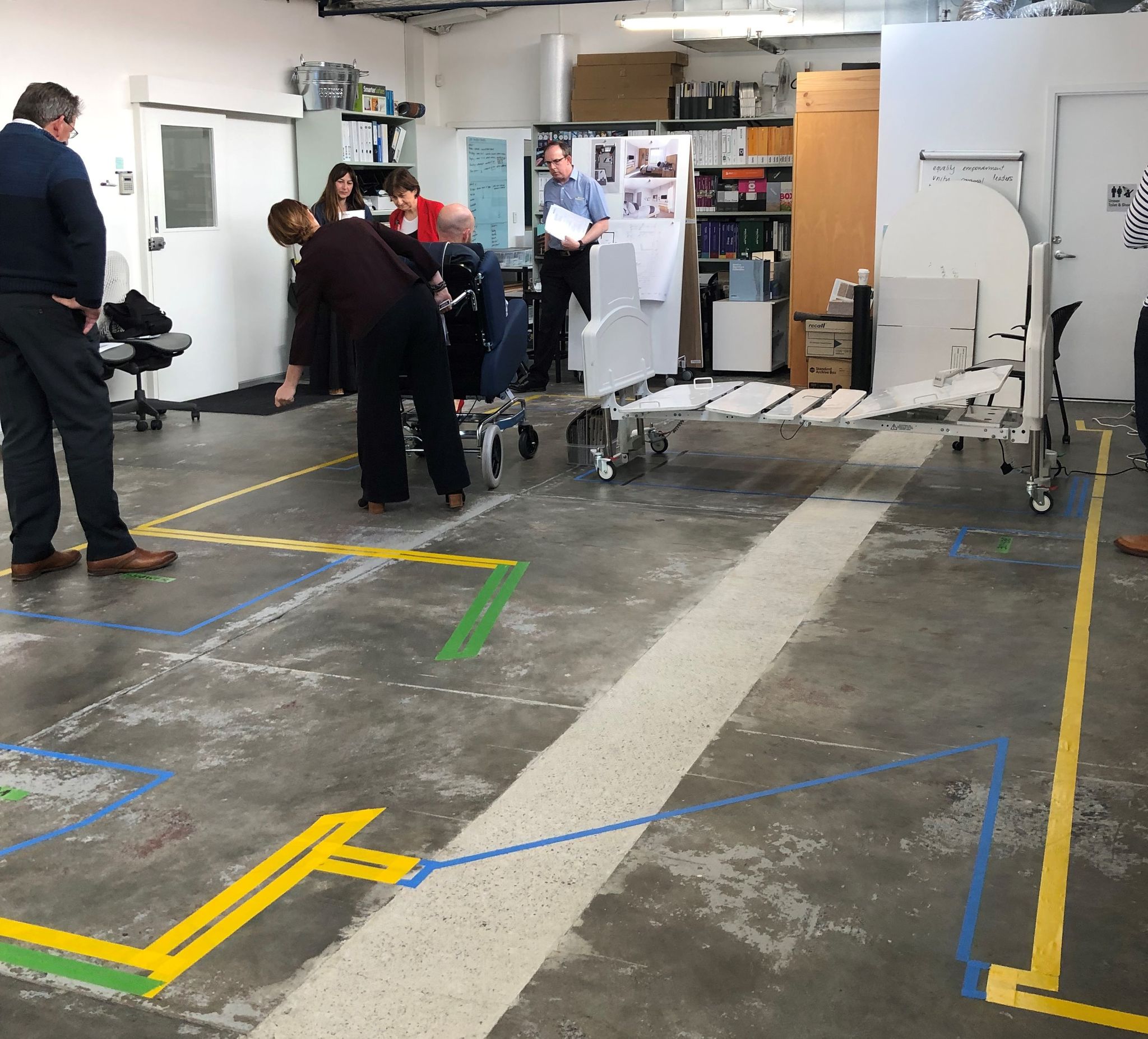
Co-design or co-creation refers to the process of authentic and collaborative engagement with our clients and their key stakeholders. It helps us to directly anticipate the future needs of people who will inhabit the space and therefore aids to refine the brief.
A co-design approach serves to expand an innovation mindset and build trust. The resulting strength in our partnership is essential to ensure that:
What’s of utmost importance to us is that we understand your true requirements by challenging you to interrogate what you’re expecting from the space.
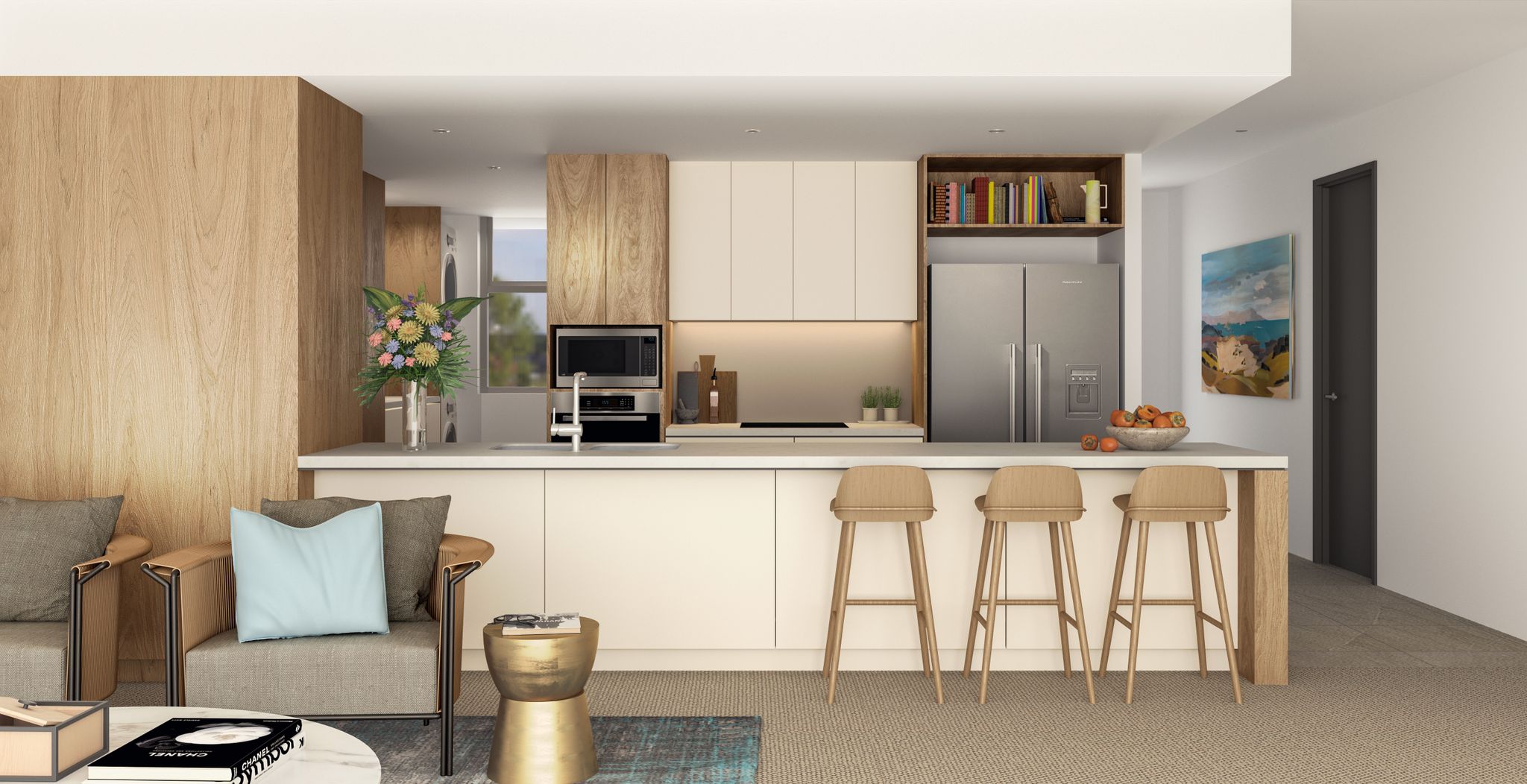
The Liveable Housing standards were introduced to the market in 2017 to provide a set of guidelines that inform the design of ‘liveable’ residential properties. The endeavour of the guidelines is for housing to become easy to navigate and spatially accommodating to all types of people and capabilities.
Through working with people in the disability and aged sector, these standards have become a benchmark for spatial allowance to create equality and accessibility for everyone. It embraces the notion of ‘ageing in place’—allowing residents to preserve their independence and live in an environment that supports them through their later years.
Brightwater Odyssey, designed by MKDC, was the first apartment building in WA to be designed and certified to Gold level Liveable Housing Standards.
In 2019 the Department of Health begun first round funding of Specialist Dementia Care Units nationally. MKDC worked with Brightwater Care Group to set up a prototype of the Specialist Dementia Care Program in Western Australia.
The SDCP provides specialist care for clients who live with severe dementia complicated by challenging behaviours that prevent mainstream residential care from being suitable. Its aim is to provide a safe and supportive environment to assist in treatment that will improve quality of life and manage behaviours.
These units require best practice environmental dementia design and specifically designed functionality to ensure staff and client safety. MKDC worked with Brightwater to compile the business case for federal funding and travelled to similar facilities in the Eastern states for a benchmarking study tour.
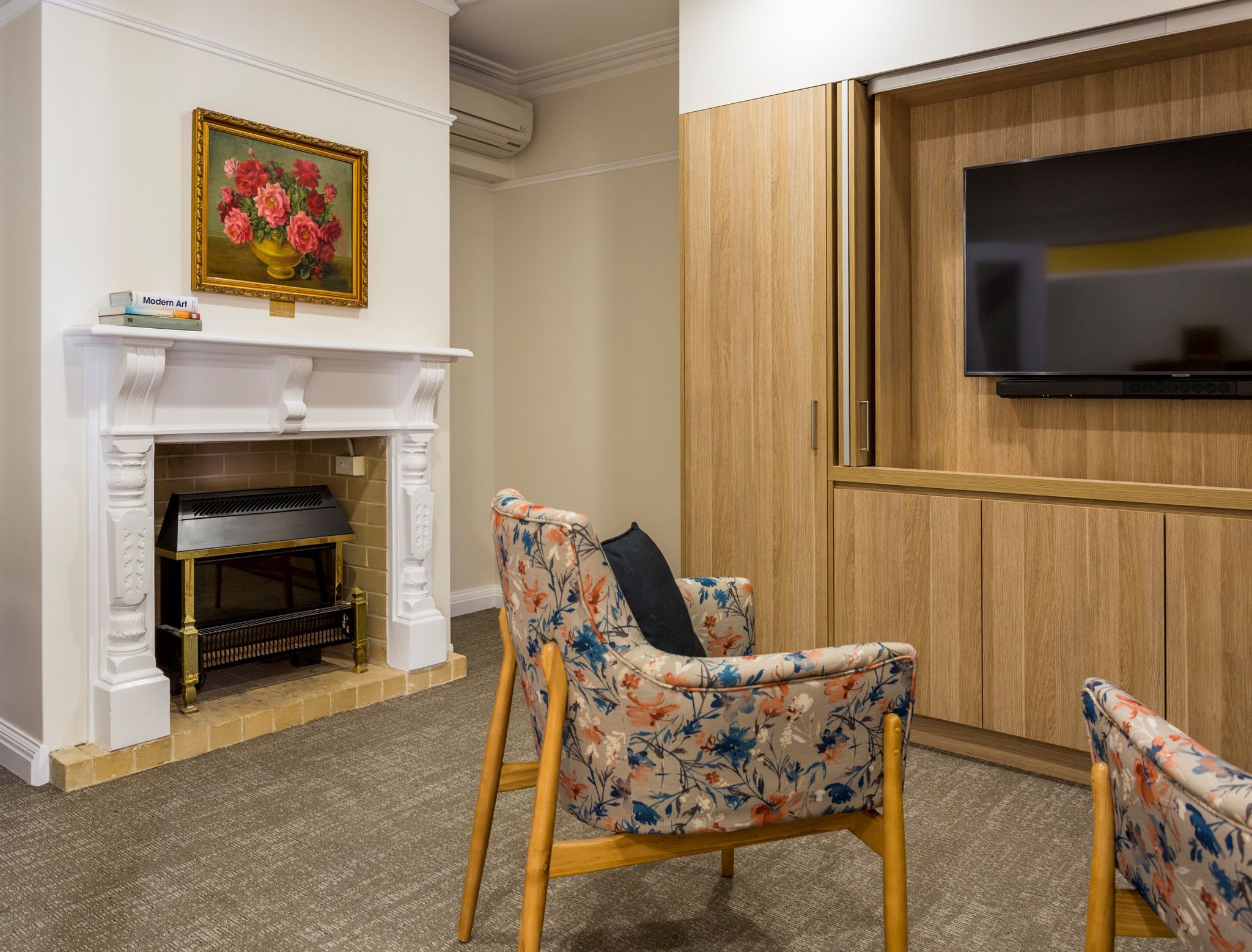
MKDC maintain current knowledge of Aged Care Federal and State guidelines and standards—our investment into this area is something we take great pride in. The Aged Care Quality Standards came into effect mid-2019 and have become part of our design vernacular when refurbishing and designing new Residential Aged Care facilities.
MKDC aged care environments are premised with compliance to provide environmental support in a way that is responsive to the clients’ Model of Care while simultaneously meeting the requirements of the Quality Standards.